Understanding the Excavator
What is an Excavator?
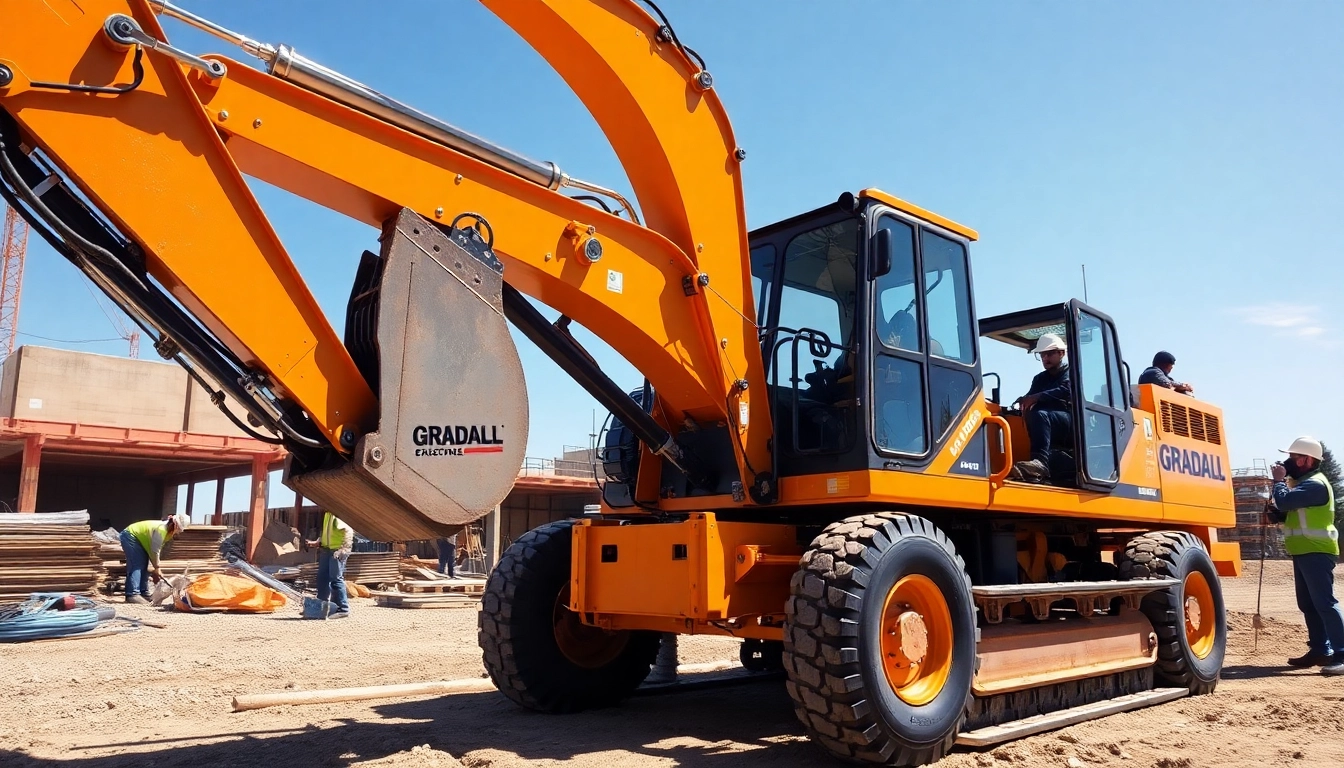
An excavator is a highly versatile piece of heavy machinery primarily used in construction and earth-moving projects. It features a powerful boom, dipper, bucket, and a cab housed on a rotating platform known as the "house." This equipment is designed to perform various tasks by digging, lifting, and transporting materials, making it essential for both large and small-scale operations. The evolution of excavators reflects a blend of innovation in hydraulic systems, mechanical design, and operator comfort.
Components of Excavator
The excavator comprises several critical components that contribute to its functionality:
- Boom: Extending from the house, the boom provides the reach necessary for various digging tasks.
- Dipper (or Stick): Attached to the end of the boom, it holds the bucket and allows for a deeper excavation.
- Bucket: The primary attachment for digging, it varies in size and shape depending on the specific application.
- Cab: Where the operator controls the machine, the cab is often equipped with modern technology for optimal precision and comfort.
- Undercarriage: It consists of tracks or wheels that provide mobility and stability on uneven terrains.
Types of Excavators
Excavators come in various configurations tailored to meet specific project needs. Some prevalent types include:
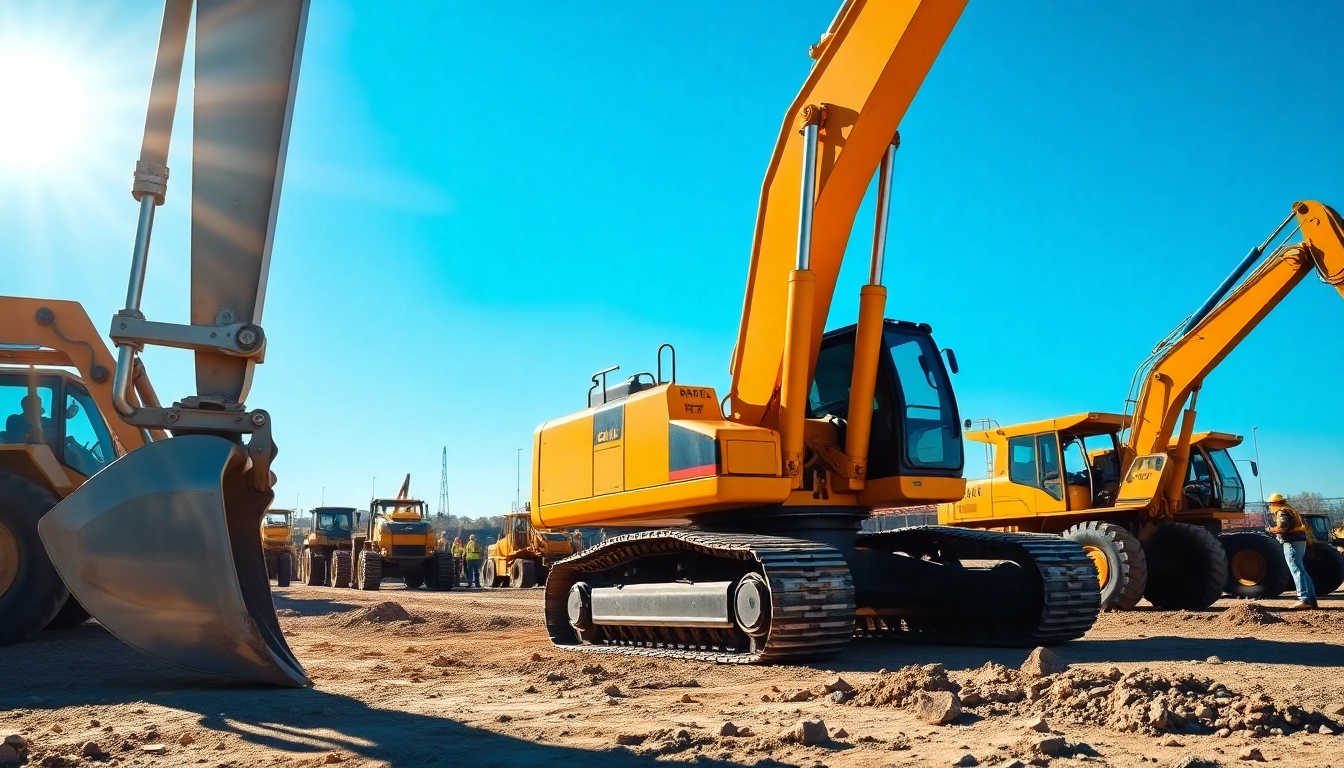
- Crawler Excavators: Equipped with tracks, they excel in rough terrain and are ideal for various construction applications.
- Wheeled Excavators: Designed for faster movement on paved surfaces, they are operationally efficient in urban settings.
- Mini Excavators: Smaller in size, these are perfect for confined spaces while maintaining robust digging capabilities.
- Long Reach Excavators: Equipped with extended booms, they're great for applications requiring reach, such as deep excavation and dredging.
Applications of Excavators
Common Uses in Construction
Excavators play a fundamental role in construction, serving various purposes, including:
- Foundation Excavation: Excavators are essential for digging and preparing foundation sites, ensuring that the base is stable and level.
- Trenching: They create trenches for utilities, drainage systems, and other underground installations.
- Material Handling: Excavators can lift and transport materials like soil, gravel, and debris, enhancing workflow efficiency.
Excavator in Landscaping
In landscaping, excavators are invaluable for tasks such as:
- Digging Ponds: Excavators can create water features, adjusting the depth and shaping the edges as desired.
- Grading Land: They help achieve the proper elevation and slope, essential for effective drainage and aesthetic appeal.
- Removing Brush and Debris: Excavators can clear overgrown areas quickly, facilitating the design of new landscapes.
Excavators for Demolition Work
In demolition, excavators are utilized for:
- Bringing Down Structures: With proper attachments like hydraulic breakers, excavators can efficiently dismantle buildings and infrastructure.
- Site Clearing: They can swiftly remove rubble and debris, preparing the site for new construction activities.
- Selective Demolition: Excavators allow for precise removal of specific materials, minimizing damage to surrounding structures.
Factors to Consider When Choosing an Excavator
Size and Capacity
The size of an excavator should align with the project requirements. Larger excavators are suited for heavy-duty tasks, while smaller models are ideal for tight spaces. Understanding the lifting and digging capacities relative to the expected workload is crucial to achieving optimal efficiency.
Fuel Efficiency
Considering fuel efficiency is key in reducing operational costs. Modern excavators are designed with advanced technologies to maximize fuel utilization, which is particularly important in lengthy projects. An excavator's overall fuel consumption should be estimated based on the type of work being conducted.
Technological Advancements
Today's excavators come equipped with sophisticated technology, including GPS systems and automation features. These advancements enhance precision, improve productivity, and provide valuable data to operators in real-time. Evaluating these features can lead to choosing an excavator that meets specific technological needs.
Maintenance Tips for Optimal Excavator Performance
Regular Inspection Procedures
Routine inspections are essential to ensure an excavator's performance. Operators should check fluid levels, track conditions, and wear on attachments. Implementing a daily pre-operation checklist can address potential issues before they escalate.
Hydraulic System Maintenance
The hydraulic system is critical for the functionality of an excavator. Regularly monitoring hydraulic fluid levels and checking for leaks can prevent significant damage and preserve efficiency. In addition, changing the hydraulic fluid as recommended by the manufacturer maintains system health.
Common Preventative Practices
Operators should adopt several preventative practices, including:
- Keeping the excavator clean to prevent dirt accumulation that can shorten equipment life.
- Regularly replacing filters and lubricating moving parts.
- Storing the excavator indoors when not in use to protect it from the elements.
FAQs About Excavators
What is the average price of an excavator?
The price for a new excavator varies widely, typically ranging from $100,000 to $500,000, depending on size and specifications.
Can an excavator be used for landscaping?
Yes, excavators are versatile tools frequently employed in landscaping for tasks like digging and grading.
What maintenance does an excavator require?
Regular inspection, checking hydraulic fluid levels, and cleaning filters are essential to keep an excavator functioning efficiently.
What types of attachments can be used with an excavator?
Excavators can utilize various attachments, including buckets, grapples, and augers, enhancing their versatility for different tasks.
How does an excavator's hydraulic system work?
An excavator's hydraulic system uses pressurized fluid to operate its arms and attachments, allowing for powerful, precise movements.
Contact Information
Call Us: 4062607988Address: 3906 MT-40, Columbia Falls, MT 59912