Understanding Integrated Modular Systems
In an age where efficiency and adaptability define operational success, Integrated Modular Systems have emerged as a vital framework in various industries, most notably in water treatment. These systems combine multiple functional components into a cohesive unit, effectively streamlining processes while enhancing performance. Understanding the intricacies of Integrated Modular Systems is crucial for businesses aiming to tackle complex challenges in water management and treatment.
Definition and Key Components
Integrated Modular Systems are designed to work in harmony, allowing for streamlined functions that address specific operational needs. Key components typically include:
- Modularity: Each module can operate independently or in combination with others, providing flexibility and scalability.
- Interconnectivity: Modules communicate seamlessly, ensuring cohesive operation and data transfer.
- Standardization: The use of standardized modules facilitates easier upgrades and maintenance, reducing downtime and costs.
- Efficiency: Modular systems are often optimized for energy and resource use, minimizing waste and enhancing sustainability.
How They Work in Water Treatment
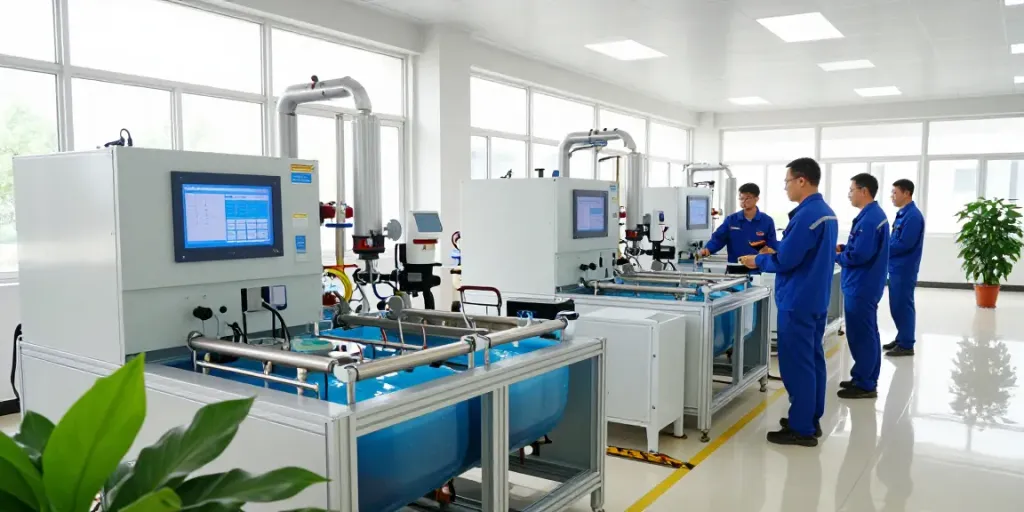
In the context of water treatment, Integrated Modular Systems employ various technologies to manage and purify water efficiently. For instance, the Integrated Membrane Water Treatment System utilizes advanced filtration techniques to remove impurities at a molecular level. This is particularly beneficial for industries dealing with high volumes of wastewater or those requiring ultrapure water for processes such as manufacturing and pharmaceuticals.
Advantages for Modern Industry
The adoption of Integrated Modular Systems presents numerous advantages, particularly for industries seeking to optimize their operations. Key benefits include:
- Streamlined Operations: By integrating multiple processes into a single framework, businesses can eliminate redundancies and improve workflow.
- Cost Savings: Reduced energy consumption and maintenance costs lead to significant savings over time.
- Enhanced Performance: Systems are designed for peak efficiency, leading to improved output and compliance with regulatory standards.
Main Benefits of QILEE's Integrated Modular Systems
Enhanced Efficiency and Performance
QILEE's Integrated Modular Systems are engineered for optimal performance, ensuring that water treatment processes are carried out efficiently. The integration of various systems allows for real-time monitoring and adjustments, minimizing delays and ensuring high-quality outputs. For example, the DAF Integrated Treatment System combines chemical dosing with advanced flotation technologies, resulting in rapid separation of solids from wastewater.
Cost-Effectiveness and Sustainability
In today's economic landscape, sustainability is more than a buzzword; it is a necessity. QILEE's systems are designed to use fewer resources, thereby reducing operational costs while also minimizing the environmental footprint. The use of modular approaches means companies can phase in new technologies as they become available, allowing for a gradual shift towards more sustainable practices without significant upfront investment.
Flexibility in Application
The modularity of QILEE's systems lends them unparalleled adaptability across various applications. Whether addressing industrial water purification needs or municipal water management, these systems can be tailored to meet specific challenges. This flexibility extends to system configuration, allowing for easy scaling up or down based on demand fluctuations.
Core Offerings in Integrated Modular Water Treatment
Integrated Membrane Water Treatment Systems
The Integrated Membrane Water Treatment Systems offered by QILEE exemplify cutting-edge technology in water treatment. These systems utilize advanced membrane technologies such as microfiltration and ultrafiltration to achieve high levels of purification. They are particularly effective in removing pollutants that are commonly found in industrial wastewater, contributing to safer discharge and reuse of water resources.
Chemical Treatment Systems Overview
QILEE's Chemical Treatment Systems employ various chemical processes to neutralize contaminants in water. This can include coagulation, flocculation, and disinfection methodologies. By integrating these processes within a modular framework, users can optimize chemical dosing and improve overall treatment efficiency.
DAF Integrated Treatment Systems Features
The DAF (Dissolved Air Flotation) Integrated Treatment System is a standout solution in QILEE's offerings. This system is tailored for wastewater containing suspended solids with lower densities. By combining chemical dosing with sludge dewatering, it achieves superior separation efficiency, handling challenging waste streams effectively. Its compact design also makes it applicable in spaces where traditional systems may not fit.
Practical Applications Across Industries
Wastewater Treatment Solutions
One of the most critical applications of Integrated Modular Systems is in wastewater treatment. Industries such as textiles and food processing generate significant amounts of wastewater laden with hazardous materials. The integration of QILEE's modular systems allows for tailored treatment strategies that meet regulatory standards while ensuring the protection of public health and the environment.
Industrial Water Purification
For sectors such as pharmaceuticals and electronics, the need for high-purity water is paramount. QILEE’s Integrated Modular Systems ensure that the water meets stringent quality requirements. By implementing these systems, businesses can eliminate contaminants that could compromise product integrity.
Municipal Water Management
Municipalities face the dual challenge of providing clean drinking water while managing wastewater effectively. QILEE’s solutions enable local governments to deploy integrated systems that enhance their capacity to treat and manage water resources efficiently, ensuring public health and environmental protection.
Future Trends in Integrated Modular Systems for 2026
Technological Innovations on the Horizon
The future of Integrated Modular Systems is poised for exciting advancements. Emerging technologies such as AI and IoT will further enhance system performance, enabling predictive maintenance and real-time data analysis. This will lead to even greater efficiencies and the ability to anticipate and respond to changes in water quality more swiftly.
Market Growth Predictions
The global market for Integrated Modular Systems is expected to grow significantly as industries recognize the value of streamlined processes and sustainability. By 2026, demand for efficient water treatment solutions is projected to increase, driven by regulatory pressures and the need for environmentally responsible practices.
Environmental Impact Considerations
As environmental concerns take center stage, Integrated Modular Systems offer a pathway toward more sustainable operations. By minimizing resource use and enhancing water recycling capabilities, these systems contribute to creating a more circular economy, reducing overall environmental impact.
What is an example of a modular system?
Common examples include integrated treatment modules in water treatment facilities. These systems allow for various treatment processes to occur within the same footprint, thus enhancing efficiency and reducing the need for expansive infrastructure.
How much does a modular system cost?
The cost of a modular system can vary widely depending on the complexity and scale of the installation. However, the initial investment is often offset by long-term savings in operational costs and improvements in efficiency.
What is modular integrated construction?
Modular integrated construction involves the use of pre-fabricated modules that are assembled on-site. This method reduces construction time and waste while enhancing quality control, as modules are built in a controlled environment.
What is the difference between modular and integrated design?
Modular design focuses on creating individual units that can function independently, while integrated design emphasizes the seamless operation of multiple components as a cohesive system. The two approaches can complement each other, particularly in complex applications like water treatment.
How do integrated modular systems improve efficiency?
Integrated modular systems improve efficiency by streamlining operations, reducing the need for redundant processes, and allowing for real-time monitoring and adjustments. This results in lower energy consumption and improved output quality.