Introduction to Bobcat Equipment
Bobcat equipment has become synonymous with agility and efficiency in construction and landscaping projects. Known for their compact size and powerful capabilities, bobcat machines offer a range of functionalities that make them indispensable for professionals and DIY enthusiasts alike. From excavating trenches to lifting heavy materials, these machines are engineered to tackle a variety of tasks with precision and ease.
What is a Bobcat?
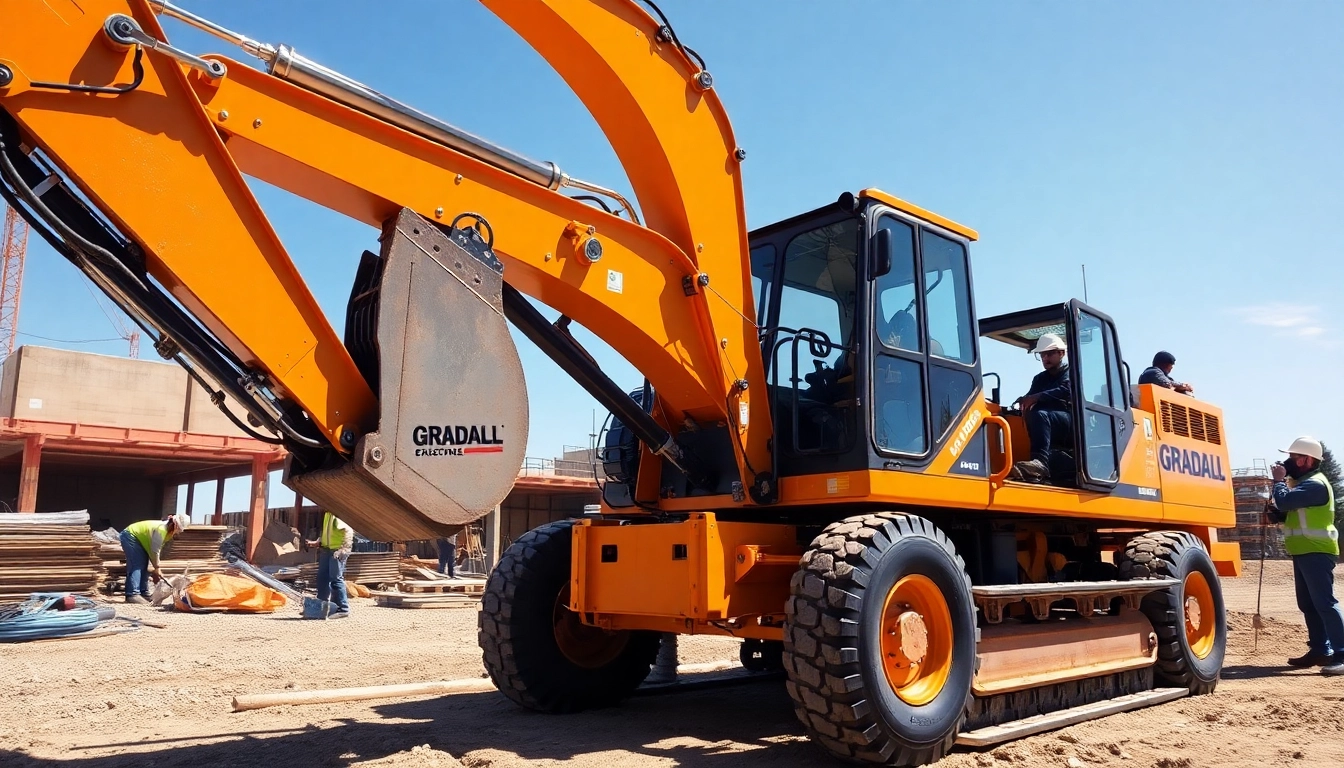
A bobcat is a brand of compact construction equipment that encompasses a variety of machines including skid-steer loaders, all-wheel steer loaders, compact track loaders, and mini excavators. These versatile machines are designed to provide exceptional performance in confined spaces, where traditional heavy machinery might struggle to operate effectively. The bobcat line has evolved over the years to incorporate advanced technology, enhancing their ease of use and effectiveness on job sites.
Key Features of Bobcats
One of the standout features of bobcat machines is their compact design, allowing for maneuverability in tight spaces. Key attributes include:
- Compact Size: Ideal for urban and residential projects.
- Versatile Attachments: A wide range of attachments such as buckets, grapples, and augers increase functionality.
- Powerful Performance: High lifting and digging capabilities for various workloads.
- User-friendly Controls: Intuitive control systems for operators of all skill levels, enhancing productivity.
- Robust Build: Durable design suited for tough job site conditions.
Common Uses in Construction
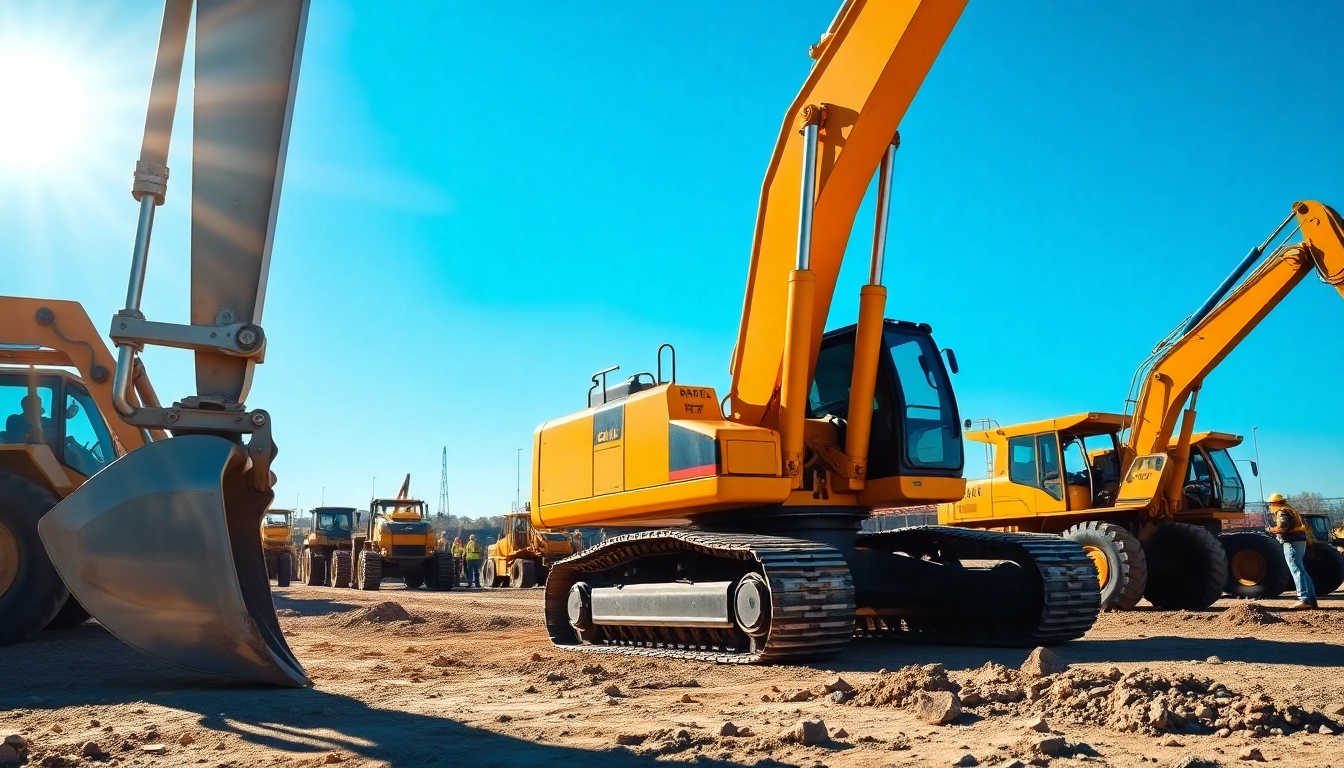
Bobcats are renowned for their versatility, making them suitable for numerous applications in the construction industry. Common uses include:
- Earthmoving: Excellent for grading and leveling soil.
- Material Handling: Ideal for loading and transporting heavy materials.
- Excavation: Efficient in digging foundations and trenches.
- Lifting: Uses hydraulic power to move heavy loads with precision.
- Landscaping: Perfect for landscaping and site preparation tasks.
Benefits of Using Bobcat
Increased Productivity
The efficiency and speed of bobcats can significantly enhance productivity on job sites. Their powerful engines and hydraulic systems allow operators to complete tasks more quickly than with manual labor or less advanced machinery. Furthermore, the ability to switch attachments easily means that one machine can do multiple jobs, reducing downtime and the need for additional equipment.
Versatility in Applications
Bobcats excel in their versatility, making them suitable for not only construction tasks but also agricultural, landscaping, and even demolition projects. With a variety of attachments available, these machines can handle everything from grading and excavation to lifting and landscaping with ease, making them a go-to solution for many different industries.
Cost-Effectiveness
Investing in bobcat equipment can lead to significant cost savings over time. Their durable design minimizes maintenance costs, and their compact size leads to lower fuel consumption. Additionally, the ability to accomplish multiple tasks with one machine means reduced equipment rental fees and operational costs. For many businesses, this equates to a quicker return on investment.
Choosing the Right Bobcat for Your Project
Assessing Project Needs
Before selecting a bobcat model, it’s crucial to evaluate your specific project requirements. Consider factors such as the size of the job site, the type of materials you will be handling, and the kind of tasks you need the machine to perform. Assessing these needs allows for a more informed decision, ensuring that the chosen bobcat will meet or exceed project expectations.
Understanding Different Models
Bobcat offers a range of models, each tailored for specific functions. Key considerations include:
- Skid-Steer Loaders: Ideal for lifting, grading, and digging.
- Compact Track Loaders: Best for soft or uneven terrain where traction is essential.
- Mini Excavators: Perfect for digging and utility work in limited space.
Understanding the capabilities of each model will guide you in selectin the most suitable equipment for your project.
Rental vs. Purchase Considerations
The choice between renting and purchasing a bobcat depends on various factors including usage frequency, budget, and project scope. Renting is typically more cost-effective for occasional users or short-term projects, while purchasing may be a better long-term investment for businesses with recurring needs. Always analyze operational costs, maintenance expenses, and potential depreciation before making a decision.
Best Practices for Operating a Bobcat
Safety Protocols
Ensuring safety when operating a bobcat is paramount. Operators should always wear appropriate protective gear such as helmets, gloves, and steel-toed boots. Additionally, before use, it's essential to conduct pre-operation checks, including inspections of the hydraulic systems, lift arms, and attachment fittings.
Regular Maintenance Tips
Regular maintenance is key to maximizing the lifespan and efficiency of bobcat equipment. Operators should follow these guidelines:
- Check and change the oil regularly.
- Inspect hydraulic fluid levels frequently.
- Clean air filters to maintain engine performance.
- Examine tire conditions and ensure the right inflation levels.
Effective Maneuvering Techniques
Proper maneuvering techniques can enhance operational efficiency and safety. Operators should maintain awareness of their surroundings, utilize smooth acceleration and deceleration, and practice turning and cornering with care. Frequent practice with attachments will also improve proficiency and precision in various tasks.
Frequently Asked Questions about Bobcat Equipment
What types of attachments are available for Bobcats?
Bobcats can be equipped with various attachments, including buckets, forks, augers, grapples, and snow blades. Each attachment tailored for specific tasks enhances the versatility of the machine.
How do I maintain my Bobcat for optimal performance?
Regular maintenance includes checking fluid levels, changing the oil, cleaning or replacing filters, inspecting hoses, and ensuring that attachments are well maintained. Following these tips promotes optimal performance.
What is the average cost to rent a Bobcat?
Rental costs for a bobcat typically range from $200 to $550 per day, depending on the model and required attachments. Rates may vary based on location, duration, and rental company policies.
Are Bobcats suitable for residential landscaping projects?
Yes, bobcats are highly suitable for residential landscaping projects. Their compact size allows them to navigate tight areas while performing tasks like grading, lifting, and material handling efficiently.
Can a Bobcat operate on uneven terrain?
Bobcats can operate on uneven terrain, particularly the compact track models, designed for better traction and stability on such surfaces. This feature adds to their versatility across various job sites.