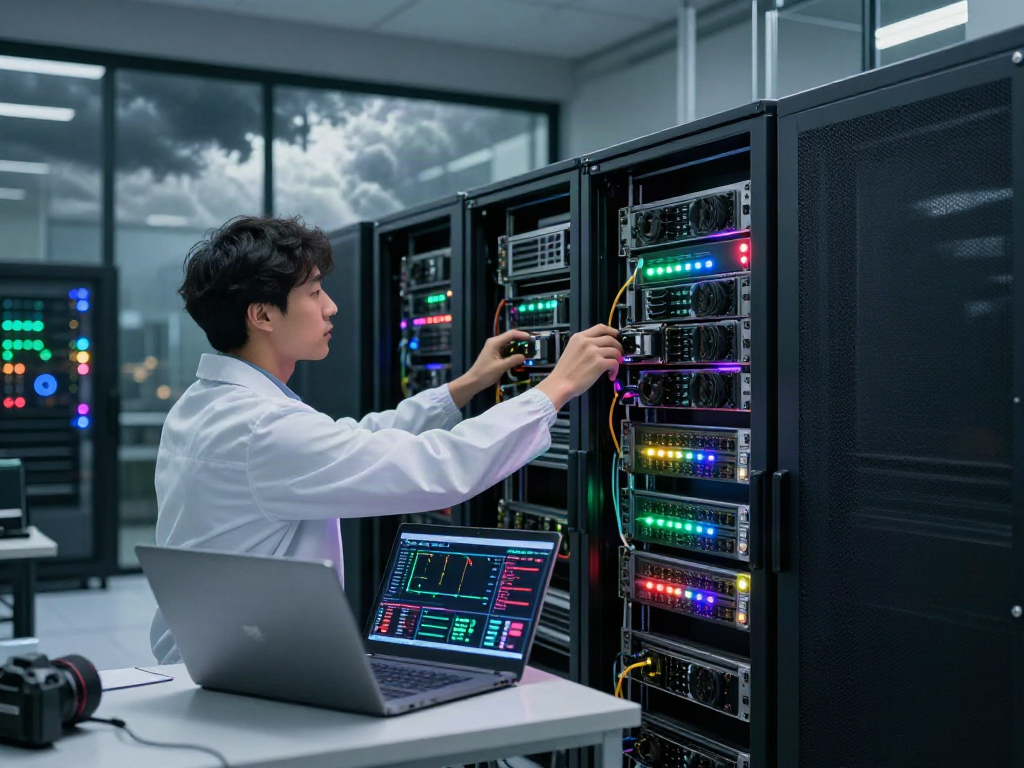
Understanding IT Support for Business Needs
In today's rapidly evolving digital landscape, effective IT support is crucial for the success of any business. With technology playing an integral role in operations, having the right it support for business can enhance productivity, ensure system reliability, and safeguard sensitive information. This article dives deep into the multifaceted realm of IT support tailored for business needs.
What is IT Support for Business?
IT Support for business encompasses a variety of services, including technical assistance, network management, and system maintenance designed to keep a business's technology functioning smoothly. It caters to the unique requirements of businesses, ranging from small startups to large corporations. The goal is to ensure that technological resources are aligned with organizational objectives, facilitating seamless operations and strategic growth.
Key Benefits of IT Support for Business
- Operational Efficiency: Streamlined technology processes reduce downtime and improve productivity.
- Proactive Problem Solving: Identifying and resolving potential issues before they escalate minimizes disruption.
- Enhanced Security: Robust cybersecurity measures protect valuable data from threats.
- Expertise on Demand: Access to a team of skilled professionals ensures that businesses leverage the latest technology effectively.
- Cost Management: Outsourcing IT support can lead to substantial savings compared to maintaining an in-house team.
Assessing Your Business Needs
Before diving into IT support options, businesses must conduct a comprehensive assessment to understand their specific needs. This involves evaluating existing technology infrastructures, identifying bottlenecks, and determining the resources needed for improvement. Engaging with stakeholders across departments can unveil unique insights that guide the selection of appropriate IT support services to align with business objectives.
Types of IT Support for Business
Onsite vs. Remote IT Support
Businesses often face the choice between onsite and remote IT support. Onsite support involves having technicians physically present to address issues directly, which can be advantageous for complex problems needing hands-on attention. However, remote IT support employs technology to troubleshoot and resolve issues from afar, often resulting in faster response times and lower costs. Evaluating the specific circumstances and requirements of your business can help determine which method is more suitable.
Managed IT Services Explained
Managed IT services refer to a model wherein a third-party provider takes responsibility for a business's IT infrastructure and end-user systems. This proactive approach includes maintenance, monitoring, security protocols, and strategic IT planning. Companies benefit from predictable costs and can focus more on core business activities while leaving IT management to specialized experts.
Emergency IT Support Options
Unforeseen IT crises can strike at any time, demanding immediate attention to prevent lasting damage. Emergency IT support ensures that businesses have a plan in place for critical incidents, such as server crashes or security breaches. This may involve a dedicated team available around the clock to address urgent issues swiftly and minimize downtime.
Choosing the Right IT Support Partner
Evaluating Expertise and Experience
When selecting an IT support partner, it's essential to consider their expertise and experience within your industry. Look for providers with a proven track record, relevant certifications, and case studies demonstrating their ability to tackle similar challenges. Furthermore, evaluating client testimonials can provide insights into their reliability and quality of service.
Understanding Pricing Structures
Pricing models for IT support can vary widely, from hourly rates to fixed monthly retainers. Businesses need to understand the implications of different structures and choose one that aligns with their budgetary constraints while meeting their service level expectations. Transparent pricing is vital to avoid unexpected fees and ensure a true partnership.
Key Questions to Ask Potential Providers
- What specific services are included in your IT support package?
- How do you handle security and data protection?
- What is your average response time for support requests?
- Can you provide references from similar businesses?
- How do you ensure continuous training for your staff?
Best Practices for Implementing IT Support for Business
Creating a Support Plan
Establishing a well-defined IT support plan is crucial for both assessing needs and outlining responsibilities. This involves setting clear goals, service expectations, and performance metrics to ensure all parties are aligned. Regular updates to the plan can accommodate changing business requirements and emerging technologies.
Training Employees on IT Best Practices
Employee training is essential in maximizing IT support effectiveness. Regularly scheduled sessions can educate staff on best practices, including cybersecurity awareness and efficient use of technology tools. An informed workforce is less likely to fall prey to common pitfalls, resulting in better overall operational efficiency.
Continuously Evaluating IT Support Effectiveness
Measuring the effectiveness of IT support services is ongoing and can be achieved by collecting feedback from users, assessing response times, and analyzing system performance analytics. Regular reviews will help in refining processes and ensuring that the support provided meets evolving business needs.
Future Trends in IT Support for Business
Cloud-Based Support Solutions
As more businesses migrate to cloud infrastructures, IT support is evolving to include cloud-based solutions. These platforms provide flexibility, scalability, and enhanced collaboration opportunities. Businesses should anticipate a shift toward cloud services integrated with IT support, enabling streamlined access to resources and data from anywhere.
AI and Automation in IT Support
The integration of artificial intelligence and automation in IT support is transforming how businesses manage their technology needs. AI can facilitate quicker troubleshooting, predictive maintenance, and personalized user experiences. Implementing AI solutions can elevate service delivery and significantly reduce response times.
Preparing for Cybersecurity Challenges
Cybersecurity threats continue to escalate, placing vulnerability on businesses. IT support must evolve to include proactive security measures, continuous risk assessment, and incident response planning. Preparing for future threats will involve adopting advanced technologies and fostering a security-first culture within organizations.
FAQs About IT Support for Business
1. What services are typically included in IT support for business?
IT support typically includes network management, troubleshooting, software updates, data security, and employee training.
2. How can I assess my business's IT support needs?
Assess your needs by evaluating your current technology, identifying bottlenecks, and considering future growth requirements.
3. What should I look for in an IT support provider?
Look for expertise, relevant experience, clear communication, transparent pricing, and a proven track record in your industry.
4. How do managed IT services differ from traditional IT support?
Managed IT services offer proactive management and strategic planning whereas traditional IT support is often reactive.
5. Why is employee training important in IT support?
Employee training helps maximize IT resource usage, improve security practices, and enhance overall productivity in the workplace.
Connection Technologies Contact Information
Head Office Address:Fareham Innovation Centre, Merlin House, 4 Meteor Way, Fareham, Lee-on-the-Solent, PO13 9FU, United KingdomEmail Us:[email protected]Email Us:[email protected]Email Us:[email protected]Email Us:[email protected]Phone Number:0333 015 2615Opening Hours:Monday To Thursday: 9:00 AM To 5:30 PMOpening Hours:Friday: 9:00 AM To 4:30 PM