Understanding the Evolution of Smart Irrigation Technologies
As environmental concerns become increasingly urgent, modern solutions like the wifi sprinkler controller have emerged to address the pressing need for efficient water management. These smart devices not only simplify the watering process but also promote sustainable gardening practices, ensuring that homeowners can maintain beautiful landscapes without sacrificing precious resources.
What is a wifi sprinkler controller?
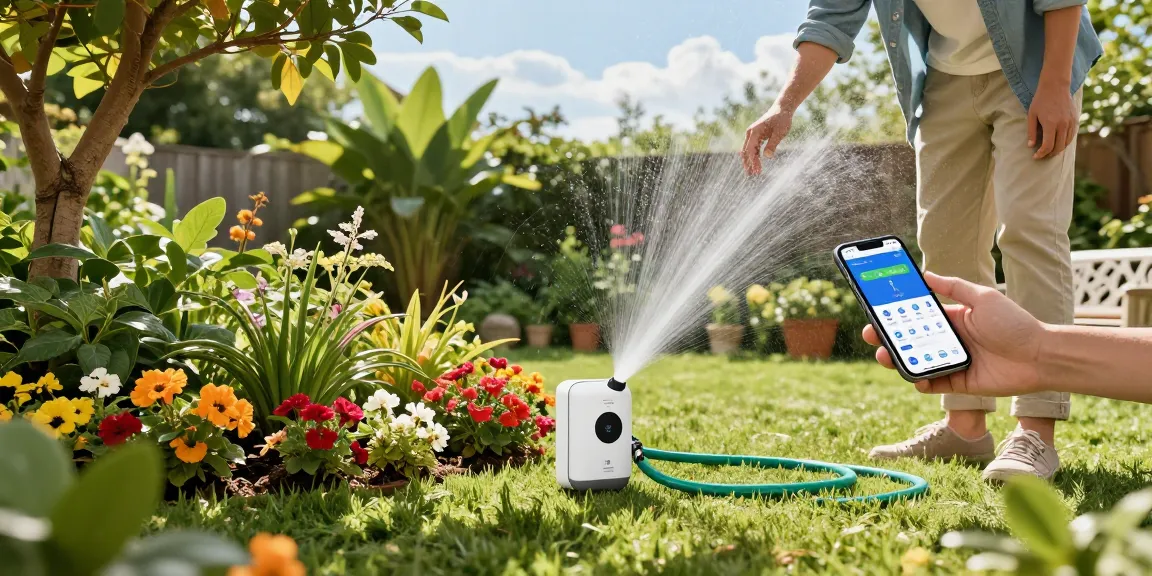
A wifi sprinkler controller is an advanced irrigation system that allows users to manage their watering schedules wirelessly via a smartphone app or web interface. This technology connects to your home’s Wi-Fi network, enabling full control over watering times, durations, and zones from anywhere. As a result, homeowners can dynamically adjust their irrigation strategies based on real-time weather data, soil moisture levels, and specific plant needs.
Historical context: From manual to smart systems
The journey of irrigation technology began with manual systems, often reliant on simple timers or even manual controls. As residential gardening grew in popularity, so too did the complexity of irrigation needs. Traditional sprinkler systems offered some convenience, but often fell short in efficiency and responsiveness to changing conditions. The introduction of smart irrigation systems marked a significant shift, as data-driven technologies began to revolutionize how we approach water management in our gardens.
How smart irrigation tech enhances outdoor living
Smart irrigation technology not only ensures optimal plant health but also enhances the overall outdoor experience. With features such as customizable watering schedules and moisture sensors, homeowners can create lush landscapes that thrive year-round. Furthermore, these systems reduce maintenance time and water waste, allowing more time for enjoyment and relaxation in the garden.
Benefits of Using a wifi Sprinkler Controller for Homeowners
Improved water efficiency and conservation
One of the primary benefits of using a wifi sprinkler controller is the significant improvement in water efficiency. Traditional methods often lead to over-watering, resulting in soggy soil and wasted resources. In contrast, smart controllers incorporate advanced algorithms that adjust watering patterns based on real-time weather forecasts and soil moisture readings, ensuring that plants receive just the right amount of water.
Time-saving convenience in yard maintenance
Homeowners can reclaim valuable time by automating their irrigation processes. No more worrying about daily watering schedules or adjusting timers; once set up, a wifi sprinkler controller allows for a true “set-it-and-forget-it” approach to yard maintenance. This convenience is particularly beneficial for busy families or individuals who travel often.
Real-time monitoring and data insights
Many wifi sprinkler controllers come equipped with user-friendly apps that provide real-time insights into water usage and system performance. With this data at their fingertips, homeowners can make informed decisions about their gardening practices, identify areas that require more attention, and even adjust settings remotely if conditions change unexpectedly.
Implementing a wifi Sprinkler Controller: A Step-by-Step Guide
Choosing the right controller for your needs
When selecting a wifi sprinkler controller, it’s essential to consider factors such as the size of your property, the number of zones you need to manage, and additional features that might enhance usability. Look for options that offer smartphone compatibility, weather forecasting capabilities, and customizable programming.
Installation tips for seamless setup
Installing a wifi sprinkler controller is usually a straightforward process. Begin by reading through the manufacturer’s instructions carefully. Most units require basic tools, and some models might need additional components like wiring or sensors. Follow these general steps:
- Shut off your water supply.
- Remove any existing sprinkler timer.
- Connect the new controller according to the provided instructions.
- Restore the water supply and test the system for functionality.
- Connect your controller to Wi-Fi and download the associated app.
Integrating with smart home ecosystems
If you already have a smart home ecosystem in place, ensure that your chosen wifi sprinkler controller is compatible with platforms like Amazon Alexa or Google Home. This compatibility allows for voice control and integration with other smart devices, enhancing the overall functionality of your watering system.
Common Challenges and Solutions in Smart Irrigation
Troubleshooting connectivity issues
Connectivity problems can sometimes hinder the performance of wifi sprinkler controllers. If you encounter issues, first ensure your Wi-Fi signal is strong in the area where the controller is installed. Consider relocating your router if the signal is weak or utilizing Wi-Fi extenders for larger properties.
Ensuring optimal watering schedules
Fine-tuning your watering schedule is crucial for plant health and resource conservation. Monitor weather conditions regularly and adjust your settings accordingly. Many smart controllers offer an automatic adjustment feature, which can be extremely helpful in preventing over-watering during rainy periods.
Addressing misconceptions about smart irrigation
While smart irrigation systems are often perceived as overly complex, most models are designed with user-friendliness in mind. Take time to familiarize yourself with the available features and settings, and don’t hesitate to reach out to customer support for assistance if needed. Understanding how to effectively use these tools can lead to significant improvements in your outdoor spaces.
Future Trends in Smart Irrigation Systems for 2026 and Beyond
Predicted advancements in irrigation technology
As technology continues to evolve, we expect to see even more sophisticated features in wifi sprinkler controllers. Anticipated advancements include enhanced AI algorithms for predictive scheduling, integration with advanced soil sensors, and improved user interfaces that make it easier to monitor and adjust settings remotely.
Impact of climate change on water management
Climate change poses significant challenges to water management, making it more crucial than ever for homeowners to adopt efficient irrigation practices. Smart watering systems will play a vital role in optimizing water usage and minimizing waste in response to changing weather patterns and extreme conditions.
Emerging smart gardening applications and innovations
The future of smart gardening extends beyond traditional irrigation systems. Innovations such as automated plant monitoring, nutrient delivery systems, and even robotics may begin to intertwine with smart irrigation technology, creating a comprehensive ecosystem for plant care.
What is the average cost of a wifi sprinkler controller?
The cost of a wifi sprinkler controller can vary widely based on features and brand, with prices typically ranging from $100 to $400. Higher-end models often provide additional functionalities like multiple zone control and advanced weather prediction capabilities.
Can I control my wifi sprinkler controller from anywhere?
Yes, one of the key benefits of a wifi sprinkler controller is the ability to monitor and adjust watering schedules from anywhere using a smartphone app. This remote access provides great peace of mind for travelers or busy homeowners.
How do I know if my plants need watering?
Many wifi sprinkler controllers are equipped with moisture sensors that can determine when plants require water based on soil moisture levels. These sensors help automate the watering process, ensuring plants receive water only when necessary and preventing overwatering.
What features should I look for in a wifi sprinkler controller?
When choosing a wifi sprinkler controller, consider features such as:
- Smartphone app compatibility for remote control.
- Weather intelligence to adjust schedules based on local conditions.
- Soil moisture sensors for precise watering.
- Multiple zone control for customized irrigation.
- Data analytics for tracking water usage and plant health.
Are there any maintenance tips for keeping my system functional?
To ensure optimal performance of your wifi sprinkler controller, perform regular maintenance such as checking connections, cleaning filters, and updating the device firmware. Additionally, inspect sprinkler heads for blockages and leaks to keep your system running smoothly.