Understanding Celebrity Look-Alike Technologies
In an era where technology increasingly intersects with personal identity, the concept of finding someone who looks like a celebrity has gained remarkable popularity. Whether it's for fun, social media engagement, or just plain curiosity, numerous applications and websites allow users to upload images and discover their celebrity doppelgängers. This article delves deeply into the world of celebrity look-alike technologies, elucidating how these advanced tools function and their implications in today’s digital landscape. When exploring options, looks like a celebrity resources offer comprehensive insights into the evolving technology behind these fascinating applications.
What Does It Mean to Look Like a Celebrity?
Looking like a celebrity is often more than just a superficial resemblance; it taps into societal ideals of beauty and fame. Individuals may see themselves reflected in famous personalities, leading to feelings of connectedness or inspiration. Often, this resemblance is used to connect with others, garner attention on social media, or even propel users to partake in viral trends. These platforms not only allow for playful self-discovery but also open discussions around beauty standards and representation in the media.
How Celebrity Look-Alike Apps Work
Celebrity look-alike applications utilize complex algorithms and advanced facial recognition technology to compare users’ facial features against a vast database of celebrity images. Upon uploading a picture, the app analyzes key facial landmarks—such as the distance between the eyes, the shape of the jawline, and the contour of the cheekbones. Using deep learning models, the technology matches these features with those of celebrities and provides the user with a list of potential look-alikes. Some apps may also incorporate user-generated data to refine their algorithms, enhancing accuracy and user satisfaction.
The Evolution of Facial Recognition Technology
Facial recognition technology has evolved significantly over the past decade, propelled by advancements in artificial intelligence (AI) and machine learning. Initially designed for security and identification purposes, the technology has morphed into a tool for entertainment and social engagement. By 2026, we can expect further innovations, including more precise algorithms and enhanced user experience through augmented reality (AR). This evolution raises questions about ethics and privacy, as the line between fun and invasiveness becomes increasingly blurred.
Popular Celebrity Look-Alike Applications
Top Apps for Finding Your Celebrity Twin
As of 2026, several apps have captured the market for celebrity look-alike matching. Leading contenders include:
- StarbyFace: Renowned for its user-friendly interface, this app utilizes a neural network to match faces with celebrity images effectively.
- Celebs: Available on both iOS and Android, this application compares your photo to a vast array of famous personalities, generating results with high accuracy.
- Fotor: This online tool employs advanced facial analysis to quickly suggest celebrity matches, making it popular for casual users.
Comparative Analysis of Unique Features
Each celebrity look-alike application offers a unique set of features that caters to different user demographics. For instance, while StarbyFace emphasizes detailed facial analytics, Fotor appeals to those seeking quick, accurate results without the need for downloads. Moreover, apps like Celebs incorporate social sharing options, allowing users to post their results directly to social media, thus enhancing user interaction and engagement.
User Experiences and Reviews of 2026
User experiences with celebrity look-alike apps in 2026 reveal varied perspectives. Many users appreciate the entertainment value these apps provide, often sharing their results with friends and family. However, some also express concerns about the accuracy of matches and the potential invasion of privacy. Reviews indicate a growing demand for transparency regarding how data is used and stored, highlighting the importance of user trust in technology.
Benefits of Using Celebrity Look-Alike Tools
Fun and Entertainment Value for Users
One of the foremost benefits of celebrity look-alike tools is their entertainment value. These applications allow users to engage in light-hearted fun, often leading to social interactions or shared experiences. The novelty of discovering which celebrity one resembles can foster conversations and create lasting social bonds.
Impact on Social Media Engagement
In the age of social media, the ability to find a celebrity look-alike can significantly boost engagement levels. Users frequently share their results on platforms like Instagram, Facebook, and TikTok, leading to viral trends and challenges. This phenomenon not only increases app visibility but also promotes a sense of community among users who share similar experiences.
Potential for Viral Trends and Challenges
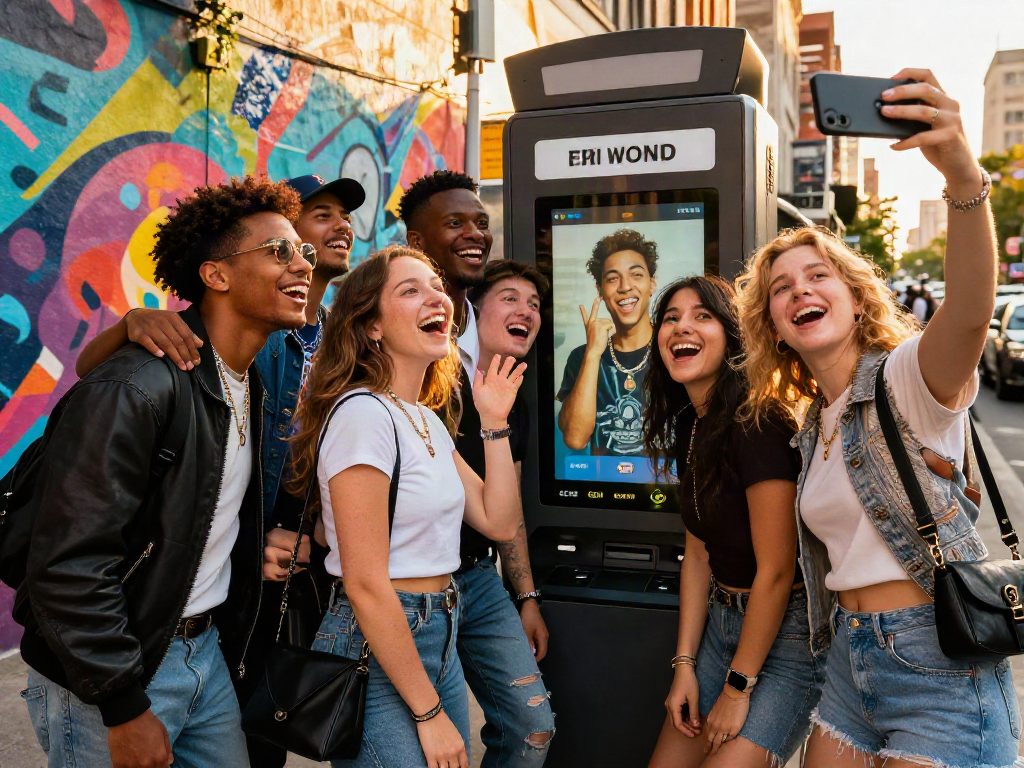
Celebrity look-alike apps have the inherent potential to spark viral trends, as users often engage in challenges based on their findings. For example, social media users might participate in a trend where they create side-by-side comparisons of their photos with their celebrity look-alikes, inspiring others to join in. This viral potential enhances the app's appeal and drives user growth.
Challenges and Limitations of Celebrity Look-Alike Apps
Privacy Concerns with Facial Recognition
Despite their fun nature, celebrity look-alike applications raise significant privacy concerns. Users may unknowingly share sensitive information, including facial data, which could be misused if not properly safeguarded. As these technologies evolve, prioritizing user privacy and implementing robust data protection measures will be critical to maintaining user trust.
Accuracy of Matches and User Expectations
Another challenge faced by these applications is the accuracy of facial recognition matches. While some users may receive results that closely resemble their appearance, others may find the matches far from accurate. This discrepancy can lead to frustration and dissatisfaction, prompting developers to continually refine their algorithms to meet user expectations.
Misconceptions Surrounding Celebrity Look-Alikes
There are also common misconceptions regarding the concept of looking like a celebrity. Many users may expect their results to yield exact matches, while in reality, the applications focus on similarity rather than identical features. Educating users about the technology and its limitations can enhance their experience and reduce discontent with the results.
The Future of Celebrity Look-Alike Technology
Predictions for Technological Advancements by 2026
Looking ahead to 2026, we can anticipate several advancements in celebrity look-alike technology. Improvements in AI and machine learning will likely lead to more nuanced facial recognition capabilities, allowing for richer comparisons. Additionally, the integration of augmented reality features may enable users to visualize their celebrity counterparts in real-time, adding a new dimension to the experience.
Emerging Trends in AI and User Interaction
As user expectations evolve, there will be a growing emphasis on personalized experiences within celebrity look-alike applications. Emerging trends may include customizable features that let users adjust their preferences based on style or personality traits, leading to a more tailored experience. Such innovations can further enhance user satisfaction and engagement.
Potential Market Growth and User Adoption Rates
The market for celebrity look-alike applications is predicted to grow substantially as more people seek out entertaining and interactive experiences online. As technological advancements make these tools increasingly accessible and engaging, we expect user adoption rates to rise, transforming how individuals perceive their identities in relation to popular culture.
What is it called when you look like a celebrity?
The phenomenon of resembling a celebrity is commonly referred to as having a "celebrity look-alike." This term encompasses not only personal resemblance but also the cultural significance attached to such identities, highlighting the fascination many have with celebrity culture.
How do you say you look like a celebrity?
When describing oneself as resembling a celebrity, individuals may say, "I look like [Celebrity Name]" or "People say I resemble [Celebrity Name]." Such expressions have become increasingly popular on social media platforms where users often share their match results.
Why do people say I look like a celebrity?
Comments about resembling a celebrity might stem from physical features, style, or demeanor that align with known public figures. Often, these remarks reflect societal standards of beauty, which are heavily influenced by celebrity culture, making it a fun compliment rather than a criticism.
Who is a celebrity lookalike?
A celebrity lookalike refers to an individual whose physical appearance closely resembles that of a famous person. These individuals may work in entertainment or promotional events, leveraging their resemblance to well-known figures for various opportunities.
What celebrity do I look like upload photo?
Many applications, like those mentioned earlier, invite users to upload a photo to discover their celebrity look-alikes. This fun interaction encourages users to engage with these platforms and often leads to shared experiences online, further popularizing the concept.