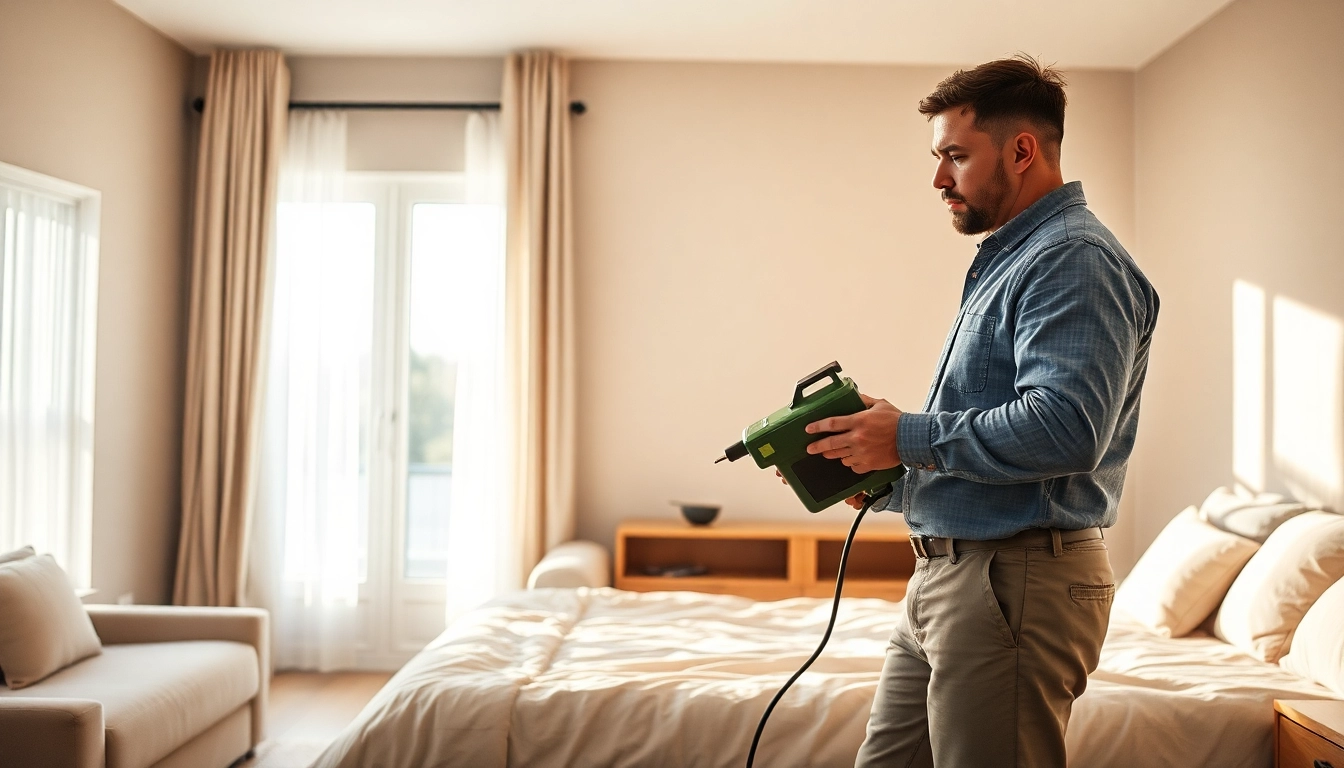
Understanding Bed Bug Heat Treatment
What is Bed Bug Heat Treatment?
Bed bug heat treatment is a method of pest control that uses high temperatures to eliminate bed bugs and their eggs. This technique is rapidly gaining popularity due to its effectiveness and non-toxicity. Instead of relying on chemical insecticides, bed bug heat treatment involves heating infested areas to a temperature that is lethal to bed bugs, which is typically around 120 degrees Fahrenheit (49 degrees Celsius) or higher. The benefits include targeting various life stages of the bed bugs, including notoriously resilient eggs.
How Does Bed Bug Heat Treatment Work?
The heat treatment process involves using specialized equipment to raise the temperature in the affected area significantly. This is done by heating the air and surfaces until the desired temperature is reached. Bed bugs cannot survive temperatures above approximately 122 degrees Fahrenheit (50 degrees Celsius), making heat treatment an effective tactic for eradication. It is crucial to ensure that the heat penetrates all areas where bed bugs may hide, including mattresses, furniture, and cracks in walls. This comprehensive approach ensures that no life stage is overlooked.
Benefits of Bed Bug Heat Treatment
One of the primary benefits of bed bug heat treatment is its ability to kill all life stages of bed bugs—from eggs to adults—in a single treatment cycle. Additionally, bed bug heat treatment is eco-friendly, as it doesn’t involve harsh chemicals that can be harmful to humans and pets. Furthermore, the process typically takes only a few hours, causing minimal disruption to the home or business. The results are immediate, with most infestations being resolved after just one treatment.
Preparing for Bed Bug Heat Treatment
Steps to Take Before Treatment
Preparing your space for a bed bug heat treatment is crucial for its success. Start by removing all items from the affected areas, such as clothing, bedding, and personal belongings. It is also advisable to vacuum the area thoroughly, targeting corners and crevices where bed bugs may hide. Identifying all infested rooms and informing pest control technicians about the extent of the infestation can ensure they plan accordingly.
What to Expect During Treatment
During the heat treatment, you will notice that specialized heaters are set up around the affected space. These units will work to create a consistent, high temperature throughout the area. It’s important to evacuate the premises for a minimum of six to eight hours or as recommended by your pest control expert to ensure safety. Throughout this period, technicians will monitor the temperature to ensure it stays within the lethal range for bed bugs.
Common Mistakes to Avoid
One common mistake is underestimating the extent of the infestation, which can lead to incomplete treatment. Always communicate the full scale of the problem. Another mistake is failing to prepare adequately by not removing heat-sensitive items such as plants, electronics, and some personal belongings, which can be damaged by high temperatures. Lastly, attempting to perform a DIY heat treatment without proper equipment and guidance is risky, as it may not achieve the necessary temperatures to eliminate bed bugs effectively.
Executing Bed Bug Heat Treatment
Choosing the Right Equipment
Choosing the right equipment is essential for effective heat treatment. Professional-grade heaters, such as electric or propane models, are designed to raise temperatures quickly and evenly. Avoid using household heaters, as they may not reach the temperatures needed to kill bed bugs. It’s best to rely on equipment available through certified pest control professionals who are trained in heat treatment processes.
Heat Treatment Procedures
The procedure for heat treatment begins by pre-treating the area with a thorough inspection followed by a preparation phase. Technicians typically set up heaters strategically to maximize circulation and reach every potential hiding spot for bed bugs. Temperatures are systematically raised to the target range of 120 to 140 degrees Fahrenheit (49 to 60 degrees Celsius), which is maintained for several hours to ensure all bed bugs are eradicated. Post-treatment inspections are also conducted to confirm that the heat reached all areas.
Safety Measures to Implement
Safety is always a priority during heat treatment. It’s important to remove pets and any vulnerable plants or items before treatments. Technicians should be trained to monitor the temperature closely and ensure that safety measures, such as fire safety protocols, are in place. Appropriate protective gear should be worn to prevent heat-related injuries, particularly during the setup and takedown phases of the treatment.
Aftercare Following Bed Bug Heat Treatment
Post-Treatment Steps
Once the treatment is complete, it’s crucial to follow up with certain post-treatment steps. Begin by allowing the treated space to cool down before returning. Once back, inspect for any signs of remaining pests or issues. It’s advisable to wash all bed linens and clothing in hot water and store them in sealed bags to prevent re-infestation. Maintain vigilance in cleaning and monitoring to identify any future bug activity.
Monitoring for Bed Bugs
Active monitoring after treatment will help in detecting any signs of bed bug resurgence. This includes regular inspections of mattresses and furniture, as well as the use of bed bug traps to capture any unseen bugs. Consider working with a pest control professional for follow-up visits to ensure that no new infestations are occurring.
When to Seek Professional Help
If you observe any signs of bed bugs after treatment, it’s crucial to contact a professional pest control service immediately. Waiting can lead to a resurgence of the infestation and may necessitate additional treatments. Also, if you are unsure about whether the treatment was successful, consult your pest control expert for post-treatment assessments and recommendations.
FAQs About Bed Bug Heat Treatment
What temperatures are effective for bed bug heat treatment?
Effective bed bug heat treatment requires temperatures between 120 to 140 degrees Fahrenheit (49 to 60 degrees Celsius) to kill all life stages, including eggs.
How long does the heat treatment process take?
The heat treatment process generally lasts from six to eight hours, including set up, treatment, and cooling down periods before returning to the treated area.
Is bed bug heat treatment safe for pets?
Yes, bed bug heat treatment is safe for pets when they are removed from the area during treatment and allowed to return only after it has safely cooled down.
Can I perform a bed bug heat treatment myself?
While DIY heat treatment is possible, it is not recommended due to the need for specialized equipment and expertise to ensure effective treatment and safety.
How much does bed bug heat treatment typically cost?
The cost of bed bug heat treatment varies depending on the size of the affected area and severity of the infestation, but it generally ranges from $300 to $2,000 per treatment.