
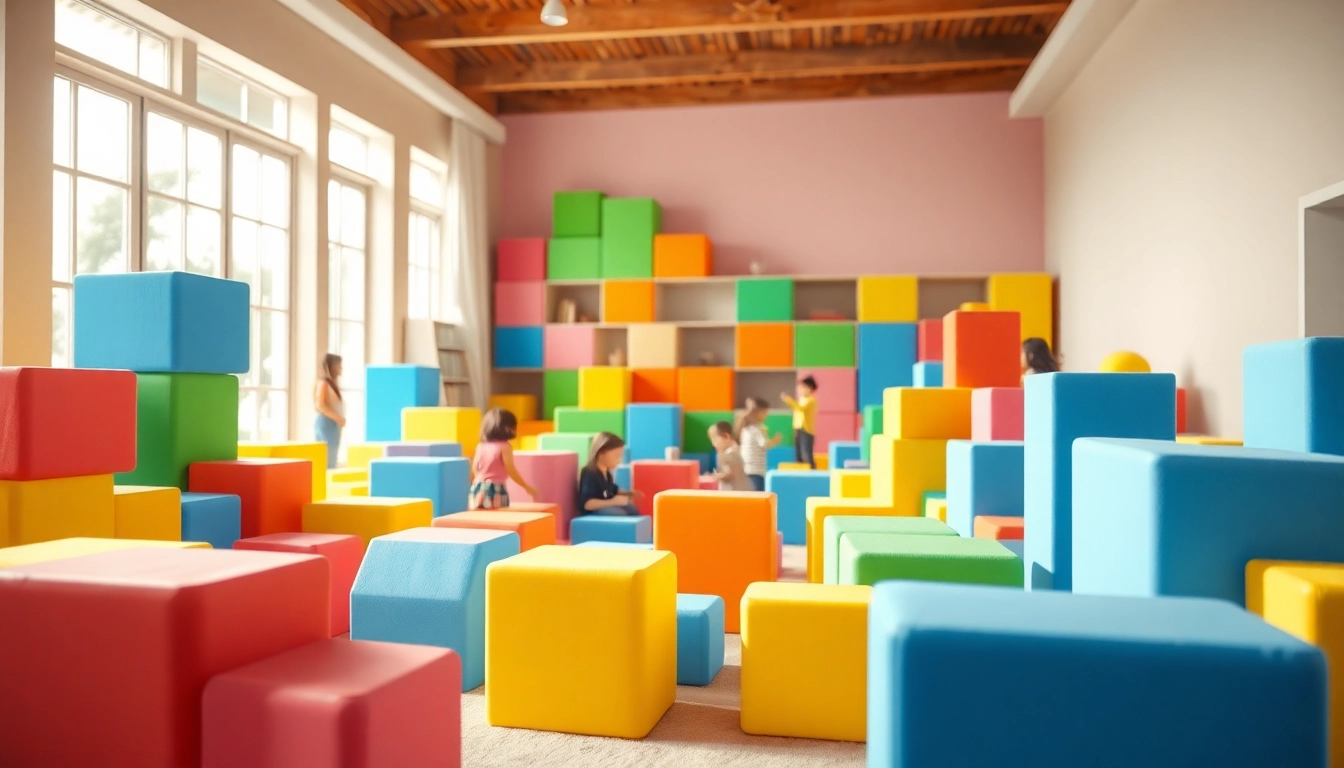
Understanding the Benefits of Giant Soft Foam Building Blocks
Giant soft foam building blocks are more than just fun and colorful toys; they are a gateway to several developmental benefits for young children. These blocks, designed with safety and creativity in mind, can significantly enhance physical, cognitive, and social development. Parents and caregivers looking for engaging play activities that encourage growth will find that these building blocks offer a comprehensive solution. To get the details on how to choose the right blocks, follow along as we explore their various benefits and functions below.
Promoting Physical Development
Physical development in early childhood is crucial as it lays the groundwork for overall health and fitness. Giant soft foam building blocks encourage children to engage in physical activity, improve their motor skills, and enhance their coordination. When children manipulate large foam blocks, they are not only lifting and moving objects but also developing strength and balance. Activities such as stacking, jumping over, or climbing onto these blocks provide excellent opportunities to enhance gross motor skills. Additionally, these playful interactions can help children develop fine motor control as they learn to grasp, pinch, and push the blocks in various ways.
Encouraging Creativity and Imagination
The limitless potential of soft foam building blocks stimulates children's creativity and imagination. Unlike conventional toys that often dictate how they should be played with, these blocks allow children to envision their structures and create whatever comes to mind. Whether they choose to build castles, vehicles, or simple towers, the design possibilities are infinite. This unstructured play fosters imagination, encourages problem-solving, and inspires children to express their ideas freely. Moreover, the tactile nature of foam blocks invites sensory exploration, further enriching the imaginative experience.
Enhancing Social Skills
Playing with giant soft foam building blocks also provides valuable social interaction opportunities. When children build together, they learn important skills such as teamwork, communication, and negotiation. These experiences help them understand the concept of shared goals, as they must collaborate and resolve conflicts to realize their architectural visions. Additionally, group play fosters empathy and emotional intelligence as children learn to consider the perspectives of their peers, which is an essential life skill.
Choosing the Right Blocks: A Comprehensive Guide
Selecting the appropriate soft foam building blocks involves consideration of several factors to ensure safety and suitability for your child's age and capabilities. This section serves as a comprehensive guide to help parents make informed decisions.
Material Safety Considerations
When it comes to children’s toys, safety is paramount. Look for foam building blocks made from non-toxic, BPA-free materials that are free from harmful chemicals. Ideally, the blocks should have certifications ensuring that they meet safety regulations. Soft foam is preferable as it is less likely to hurt children during play, and it means parents can feel secure as kids engage in active play without the risk of injury.
Size and Shape Variations
Soft foam blocks come in various sizes and shapes, each offering unique benefits. Larger blocks are suitable for younger children as they are easier to handle and less cumbersome to stack without tipping over. Conversely, a variety of shapes (such as triangles, rectangles, and tubes) can enhance the play experience and facilitate the construction of more intricate designs, encouraging creativity. A diverse set allows children to experiment and develop spatial awareness, which is essential for future learning.
Age Appropriateness
Giant soft foam building blocks should match the developmental level of the child. For toddlers, larger blocks that are easy to grasp and manipulate are recommended, while older children might enjoy smaller blocks that challenge their dexterity and creativity. It’s important to consider the recommended age ranges on packaging, as these guidelines are generally based on thorough research about safety and developmental appropriateness.
Engaging Play Ideas for Kids
The versatility of soft foam building blocks opens up a world of imaginative play. Here are some engaging ideas that can help maximize your child’s play experience.
Building Specific Structures
Encourage children to recreate structures they see in everyday life, such as bridges, towers, or houses. Assigning specific projects not only inspires cooperation and teamwork but also enhances problem-solving skills as they figure out how to build those structures. Parents can join in the fun by participating or even helping to guide their children through the process, giving them a sense of accomplishment once their creations come to life.
Interactive Games and Challenges
Incorporate games into building blocks playtime. Challenge your child to see how high they can stack the blocks or create a time trial to construct a certain shape within a fixed duration. These games develop competitiveness and motivation while also enhancing cognitive skills. Engage in playful competition, where both you and the child can build structures in an effort to increase engagement and fun.
Incorporating Themes into Play
Themed play can spark even more excitement. For instance, set a theme of “underwater adventure” where children build submarines and ocean creatures using blocks. Themes can enhance storytelling, allowing children to invent narratives with their creations, thus encouraging language development and narrative skills. The possibilities are endless and can adapt to the interests of your child.
Setting Up a Play Area: Best Practices
Creating an appropriate play environment is crucial to ensuring that children can safely and effectively enjoy their soft foam building blocks. Here are some key practices for setting up an optimal play area.
Space Requirements
Before setting up a play area, consider the amount of space needed for safe play. Ideally, children should have ample room to move around, stack, and rearrange blocks without risk of injury. An open floor plan is best, as it allows for free movement. Ensure that there are also soft surfaces, such as carpet or play mats, which can help minimize injury in case of falls.
Arrangement Tips for Safety and Fun
Arrange the blocks in a way that promotes accessibility while ensuring safety. Store blocks within reach for toddlers but out of the way of smaller infants. Avoid cluttering the play area; clear pathways for movement can prevent trips and falls. Making the play area inviting with bright colors and themed decorations can also enhance the experience and spark imagination.
Integrating Other Play Activities
Consider combining other play activities with foam blocks to foster a multidimensional play experience. Incorporate art supplies for children to decorate blocks or build around them. A reading nook adjacent to the building area can transition the activity smoothly and encourage literacy skills. By integrating different types of play, children can associate learning with fun, creating a well-rounded development experience.
Maintaining and Caring for Foam Building Blocks
Caring for your foam building blocks ensures that they last for many playful adventures. Proper maintenance not only preserves quality but also promotes hygiene, especially for toys frequently used by young children.
Cleaning and Sanitizing Tips
Regularly clean foam blocks with mild soap and water. Avoid harsh chemicals, as they can damage the foam or potentially harm children. If blocks are particularly dirty or used in public environments, consider sanitizing them with vinegar and water.T To ensure effectiveness, always dry them thoroughly after cleaning to prevent mold growth. Additionally, establish a regular cleaning schedule to maintain a healthy play environment.
Storage Solutions
Proper storage is vital for maintaining the integrity of foam blocks. Use bins or baskets designated specifically for storing blocks to keep them organized. Clear containers allow children to see what they have, promoting independent play. Avoid stacking blocks too high in susceptible areas to prevent crushing damage. Keeping storage areas organized also encourages children to help clean up after playtime.
Preventing Wear and Tear
To minimize wear and tear on foam blocks, set boundaries for their usage outside of dedicated play areas. Avoid exposing them to sharp objects or rough surfaces that may cause damage. Additionally, establish rules for how blocks should be treated during play sessions, instilling respectful care behavior among children. This can help prolong the life of the blocks significantly.
Frequently Asked Questions
What age is suitable for foam building blocks?
Foam building blocks are typically suitable for children as young as 18 months. However, ensure that blocks are age-appropriate, considering their size and material safety.
Are foam blocks safe for outdoor play?
Foam blocks can be used outdoors, but they may wear out faster due to exposure to the elements. Limit outside play or conduct regular inspections to maintain condition.
How do I clean the foam blocks?
Clean foam blocks with mild soap and water, then dry them thoroughly. For deep cleaning, use a vinegar solution to sanitize, especially after playdates.
Can adult involvement enhance play?
Yes, adult involvement can enrich play and encourage teamwork. Participating actively can foster communication and help children develop social skills.
Do foam blocks encourage STEM skills?
Absolutely! Playing with foam blocks develops critical thinking, problem-solving, and spatial skills, all fundamental elements of STEM education for young children.